LiSyM-Cancer School Project: Conducting Interdisciplinary Liver Cancer Research
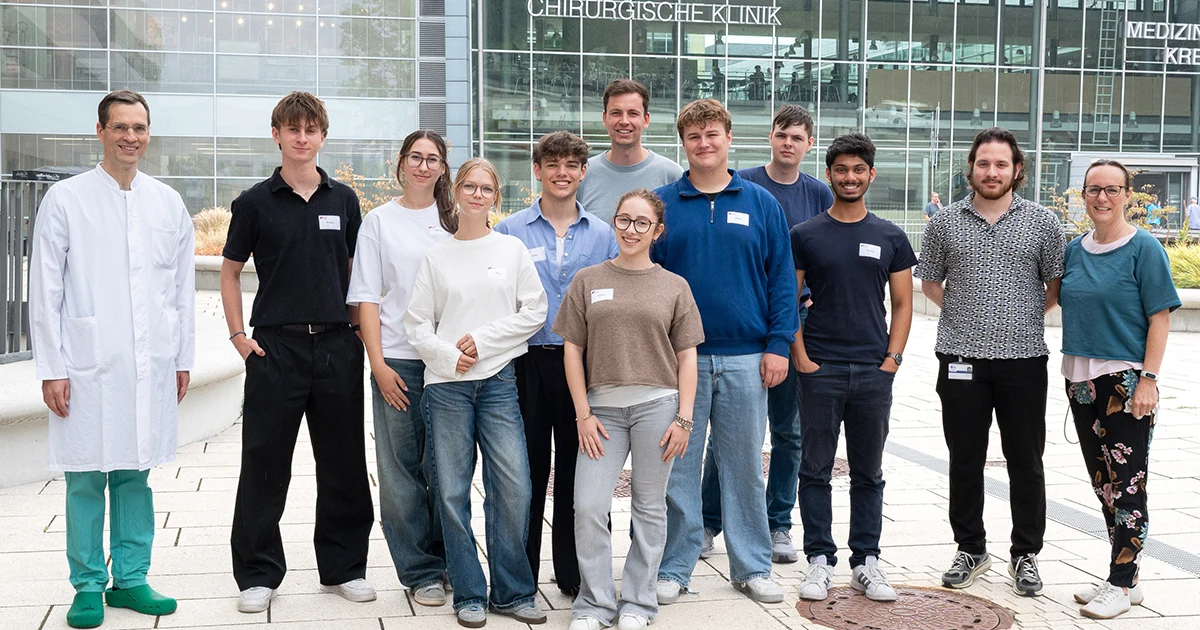
How does a patient sample become a research finding? And what fields of study are crucial when conducting comprehensive research on liver cancer? Sixteen pupils from the 13th grade at the Tilemannschule Limburg explored these questions and more on August 17 and 18 during two LiSyM-Cancer project days in Heidelberg. The varied program combined clinical insights with hands-on experience in the lab and in bioinformatics, thereby providing a firsthand experience of the journey from diagnosis to data analysis.
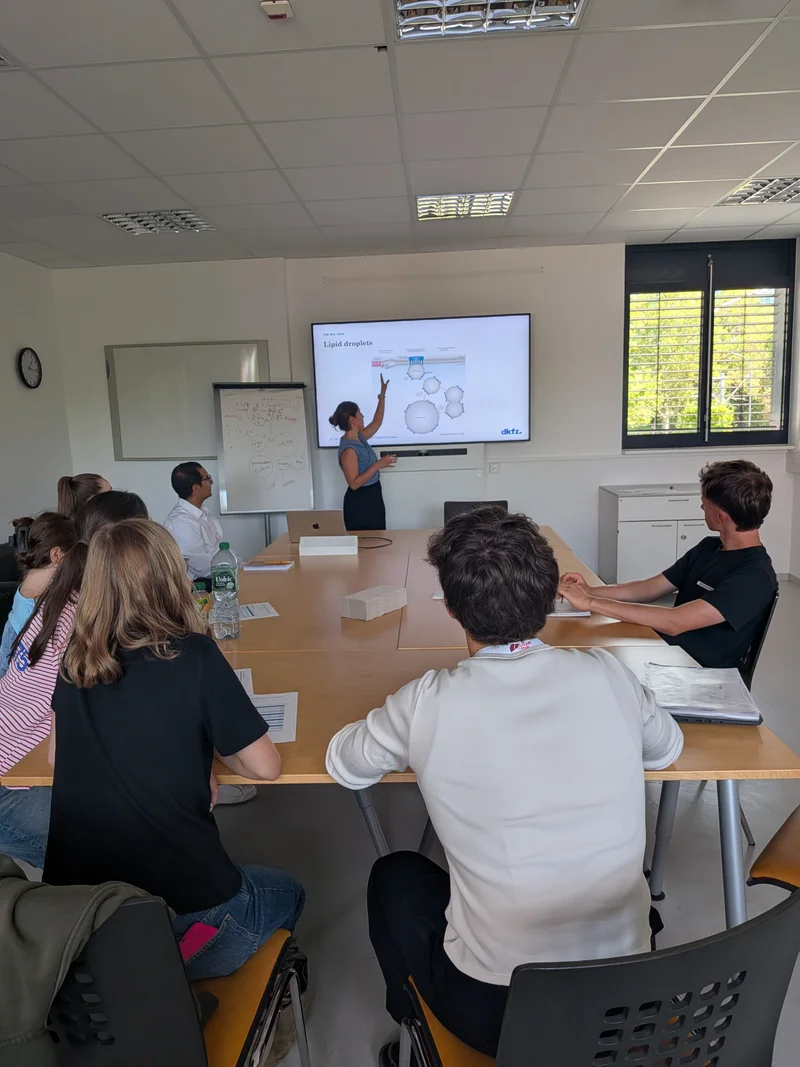
After their arrival, the students as well as their teachers (Pauline Franz and Marlon Grasse), were welcomed by Elisa Brost and Dr. Susan Eckerle, program managers of the LiSyM-Cancer Research Network. Here, they received a theoretical introduction to the liver’s extensive functions, liver cancer, the research approaches of the LiSyM-Cancer Network, and the planned laboratory techniques. Following a group lunch in the student cafeteria, the students began working in small groups within various research groups of the network at the Heidelberg site.
From the clinic to the lab
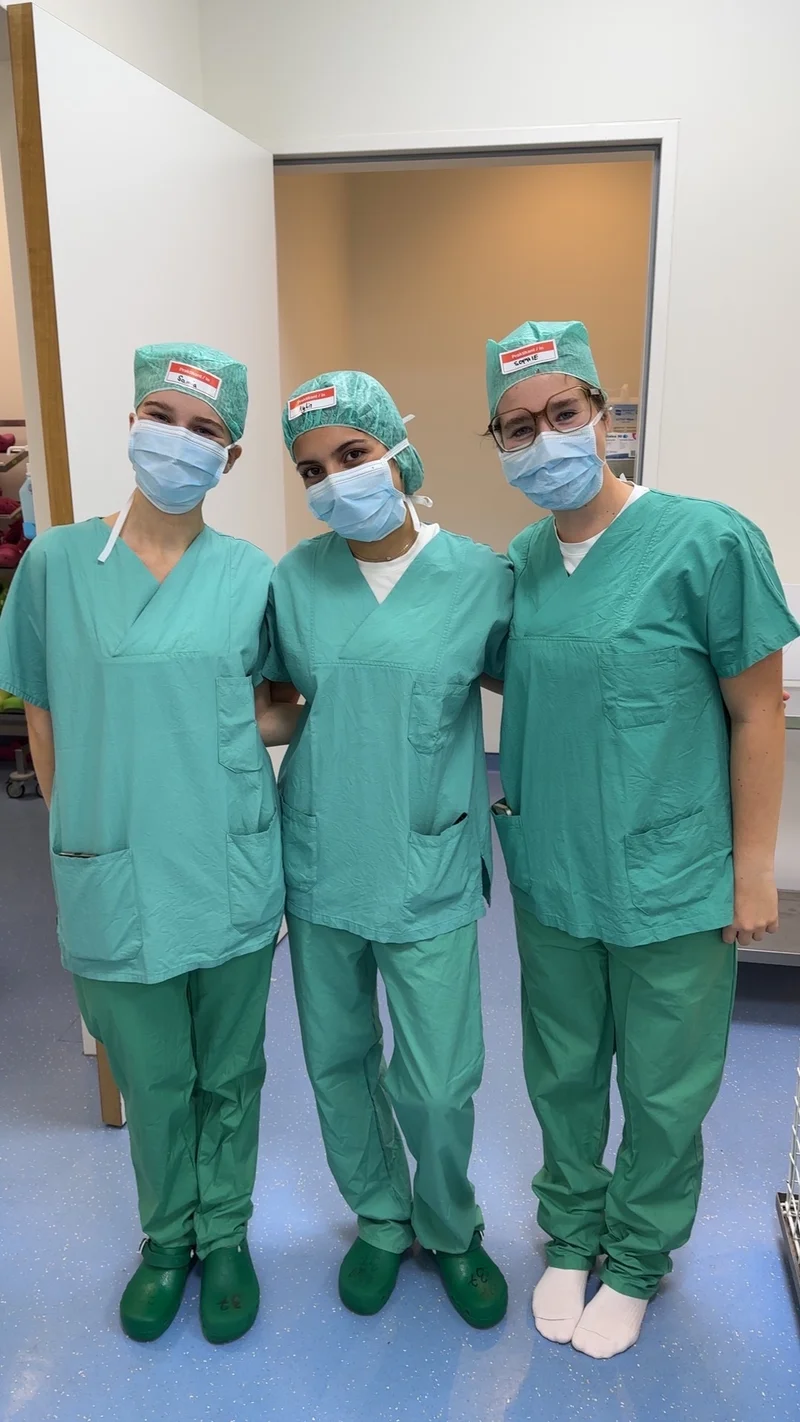
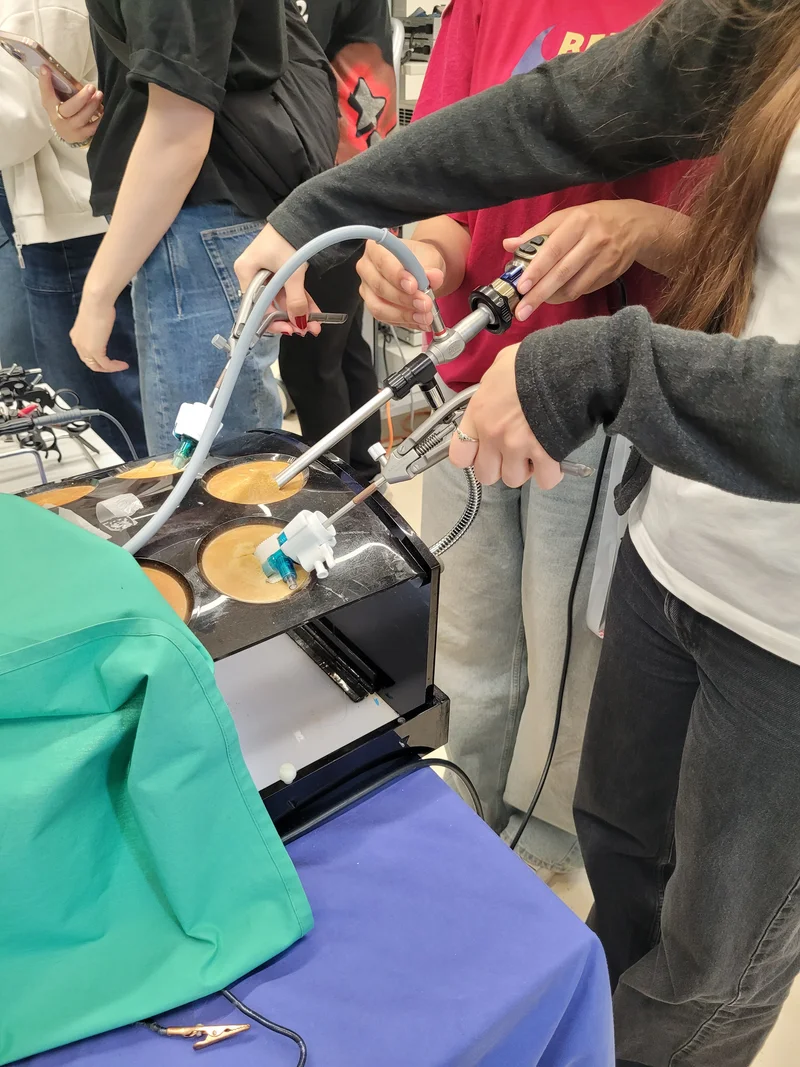
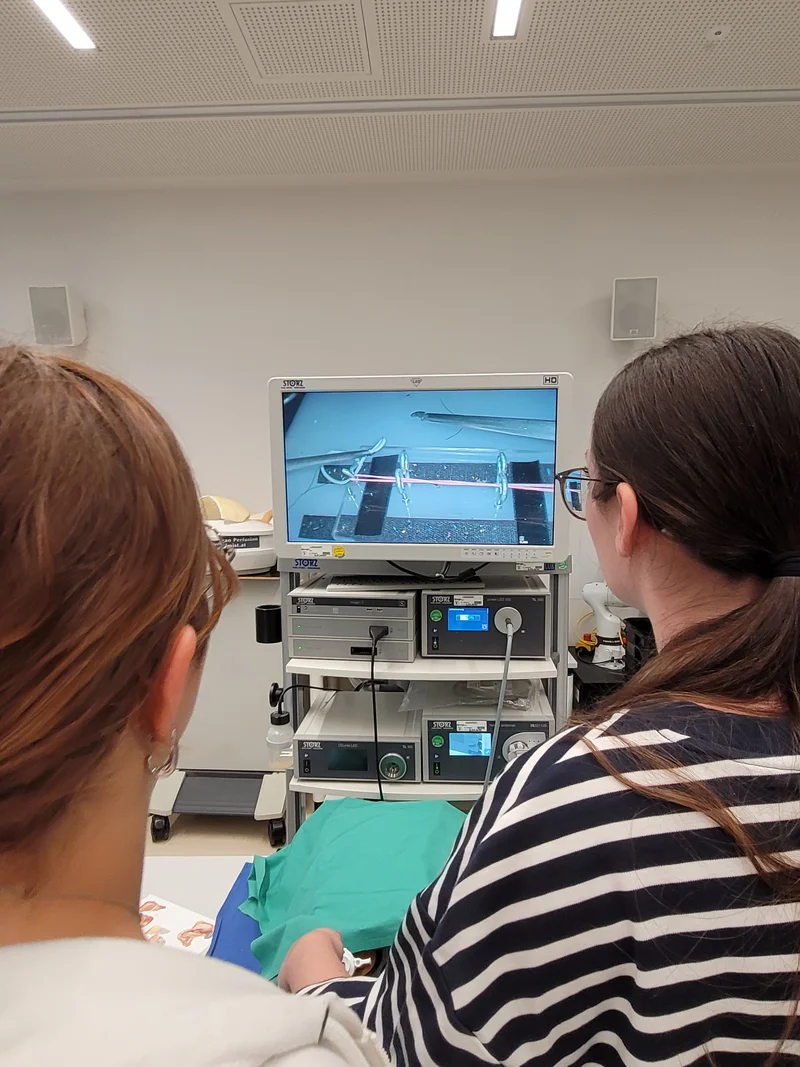
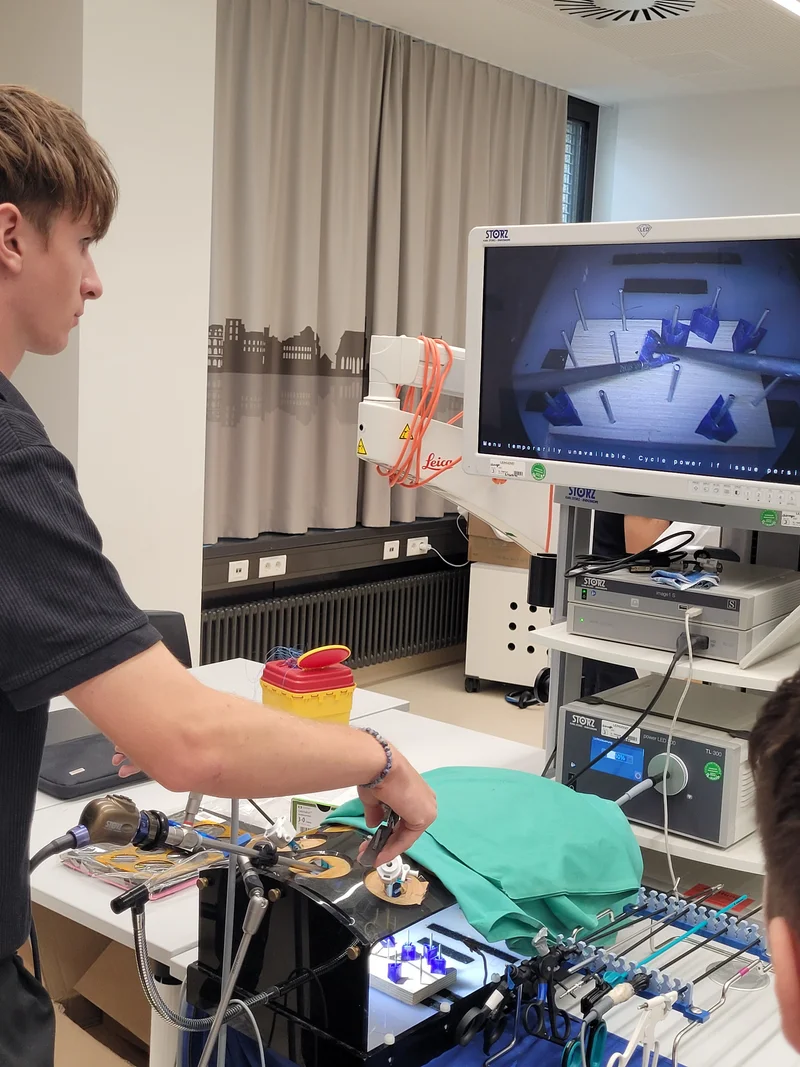
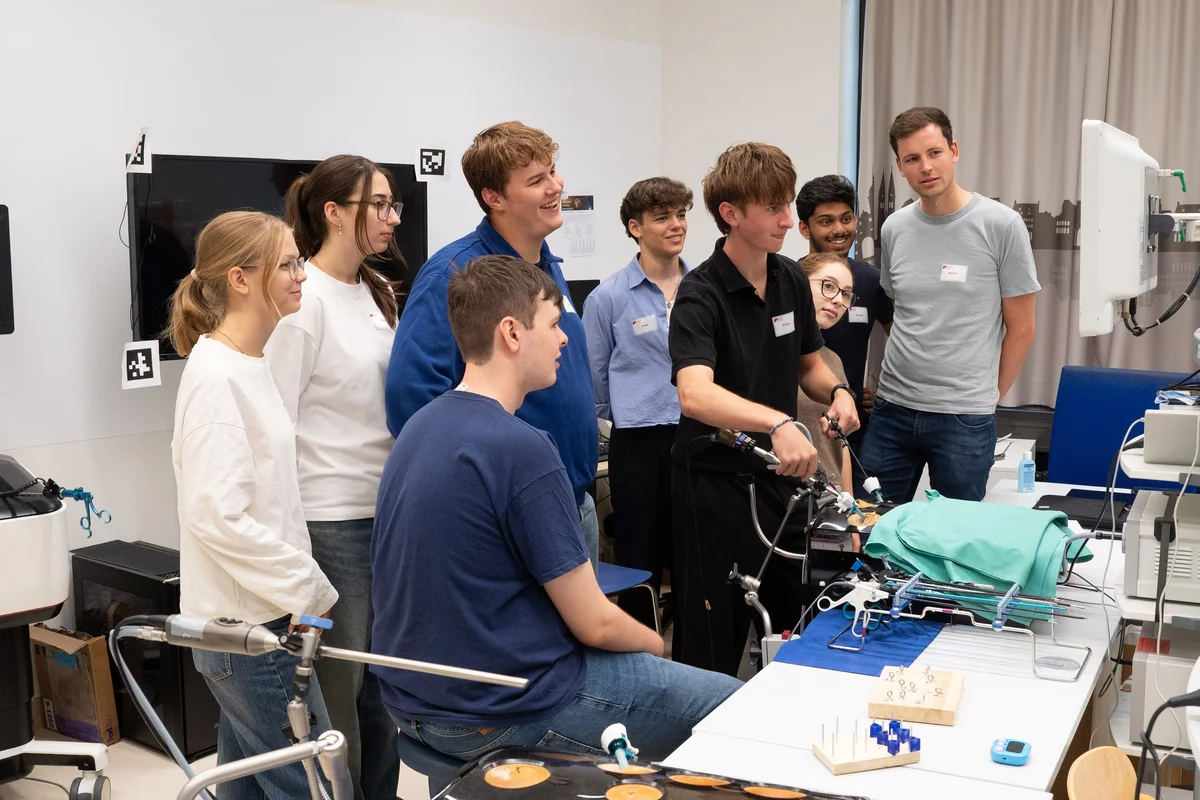
The tour first took two groups to the offices of our partners at the Department of General, Visceral, and Transplant Surgery within the Surgical Clinic at Heidelberg University Hospital. There, the students gained insights into everyday clinical practice and, through conversations with the doctors, learned how patients are cared for and how medical decisions are made. Particularly exciting was the opportunity to observe a live surgery, which gave the students a firsthand look at modern treatment methods. In the Skills Lab, they were given the chance to get hands-on experience and gained insight into minimally invasive surgical procedures through practical exercises with laparoscopic instruments — including the precise gripping and maneuvering of building blocks. This unfamiliar challenge conveyed just how much precision and coordination are required in this field.
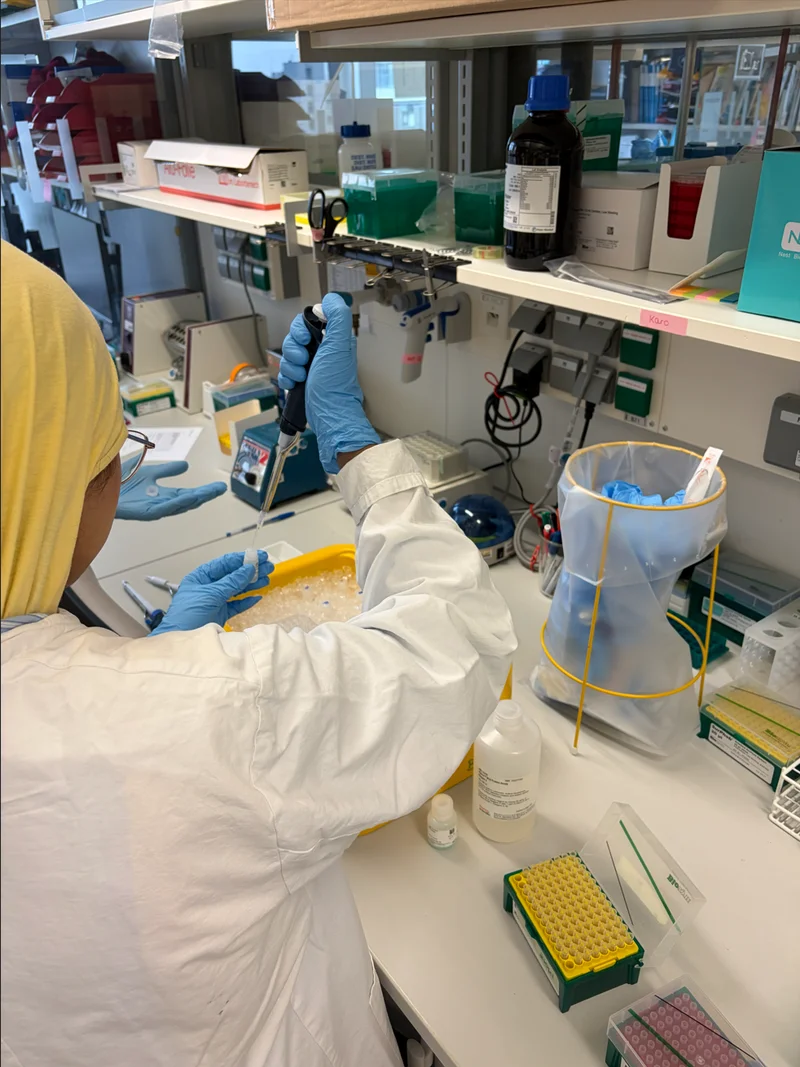
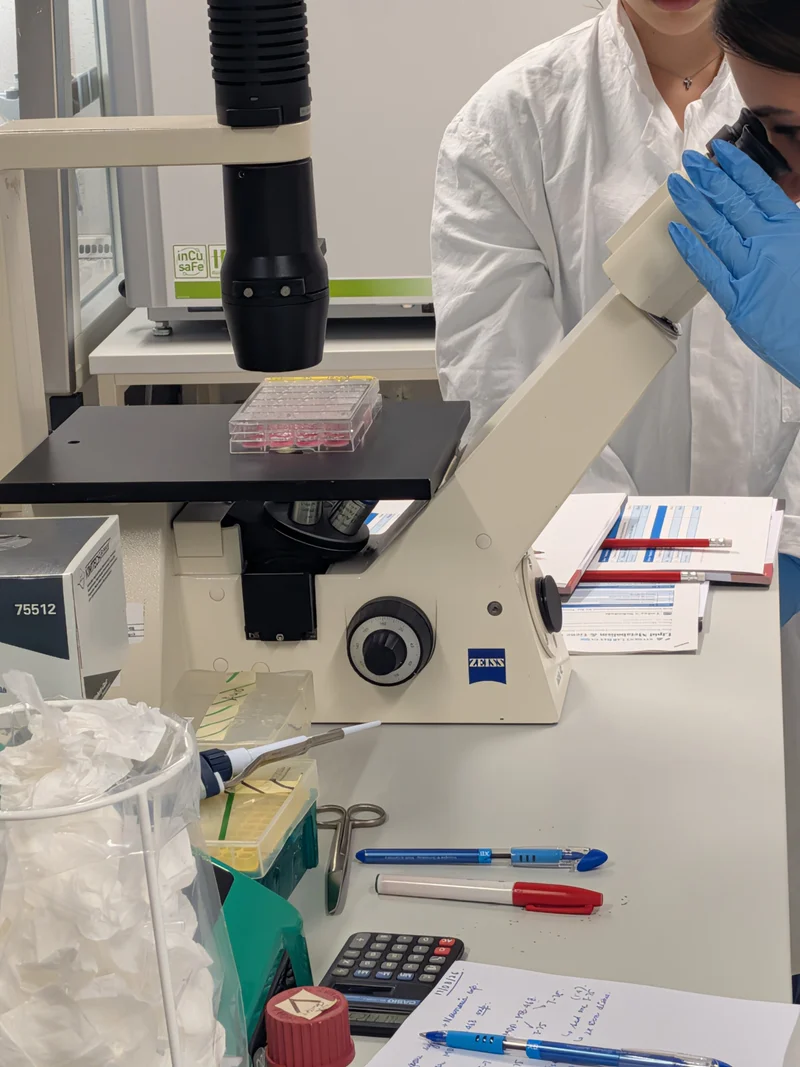
Working with the teams led by SMART-NAFLD partners Prof. Ursula Klingmüller and Prof. Almut Schulze at the German Cancer Research Center, the students gained insights into cell culture as well as various molecular biology and biochemistry methods, and learned about the connection between clinical treatment and laboratory-based scientific research. A special focus was placed on the molecular mechanisms of liver regeneration and the development of fatty liver disease. The students learned how signaling pathways and the storage of fatty acids contribute to the regulation of cell functions and, how they can be linked to the development of liver disease and liver cancer when overactivated. In the lab, the students were able to carry out various protein biochemistry procedures themselves. One lab station focused on determining protein concentration using the so-called BCA assay followed by immunoblotting, while another lab station examined lipid droplets — that is, the accumulation of fatty acids, for example, within the cell. Using qPCR, it was explained how certain gene activities can be analyzed. Insights into cell culture provided further context to the hands-on stations. In addition, the method and equipment of mass spectrometry were presented as technologies used in modern biomedical research.
From patient samples to data
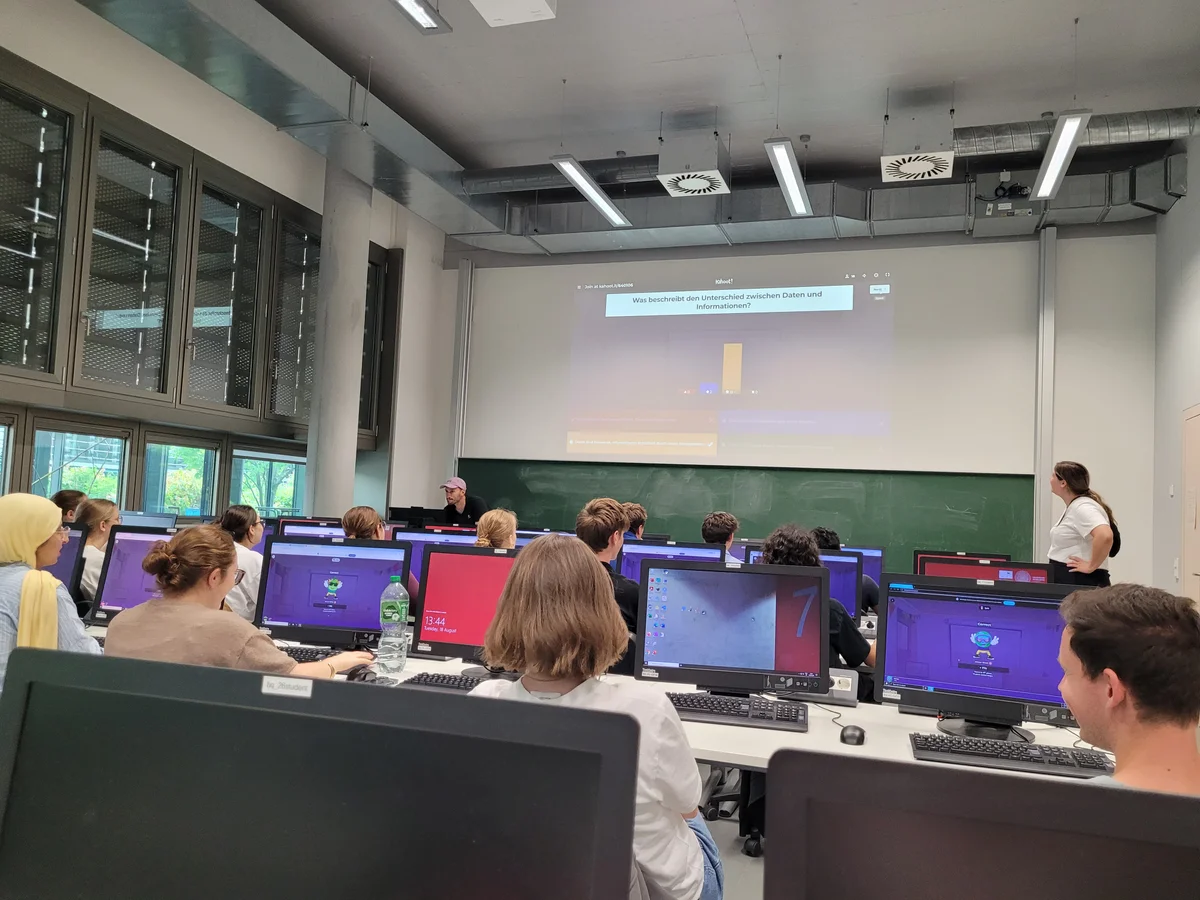
The next part of the program was an introduction to bioinformatics and data analysis. Through a computer exercise, Sebastian Kaletta, a doctoral candidate at the Institute for Medical Informatics, and Dr. Christina Schmidt, a postdoc at the Institute for Computational Biomedicine, demonstrated to the students how different types of biological and medical data can be combined and organized into a single database. It soon became clear that modern cancer research no longer takes place solely in the laboratory: Only by combining different data sources can complex biological relationships be comprehensively analyzed and visualized.
The various stations represented the path that a patient sample might take in modern research: from clinical diagnosis, through the collection and analysis of biological samples, to molecular biological data and its computer-assisted evaluation.
Meet the Scientist: research as a prospective career
A “Meet the Scientist” event — wherein students from various disciplines answered questions from high school students about university, scientific careers, and career paths in research — was designed to address practical questions: What degree programs are available (in the medical field)? How can you finance your university education? What experiences will help you on your own path?
The event was designed to ease student apprehension about pursuing a degree and to show that academic careers do not have to be completely mapped out from the very beginning.
The combination of clinical practice, laboratory work, bioinformatics, and personal interaction provided a comprehensive insight into modern liver cancer research. The students not only learned about individual methods and areas of research, but also gained an understanding of how these areas intersect and contribute collectively to a better understanding of diseases and the development of new approaches to diagnosis and treatment.
The two-day school project therefore effectively demonstrated just how diverse and interdisciplinary modern cancer research is — and how many different paths can lead to a career in science.
Special thanks go to everyone involved from the following institutions and to the “Meet the Scientist” students, whose dedication, time, and expertise contributed to the success of the school project. We would also like to extend our heartfelt thanks to everyone who designed the individual stations and gave the students such a firsthand look into their daily work.
German Cancer Research Center, Heidelberg:
- Human Resources Department
- Klingmüller Lab
- Schulze Lab
Heidelberg University Hospital:
- Department of General, Visceral, and Transplant Surgery, Division of Surgery
- Institute for Medical Informatics
- Institute for Computational Biomedicine
The LiSyM-Cancer research network and the school project are funded by the BMFTR.
Pictures: Department of General, Visceral, and Transplant Surgery (UKHD), Elisa Brost, Dr. Susan Eckerle, and Tilemannschule Limburg
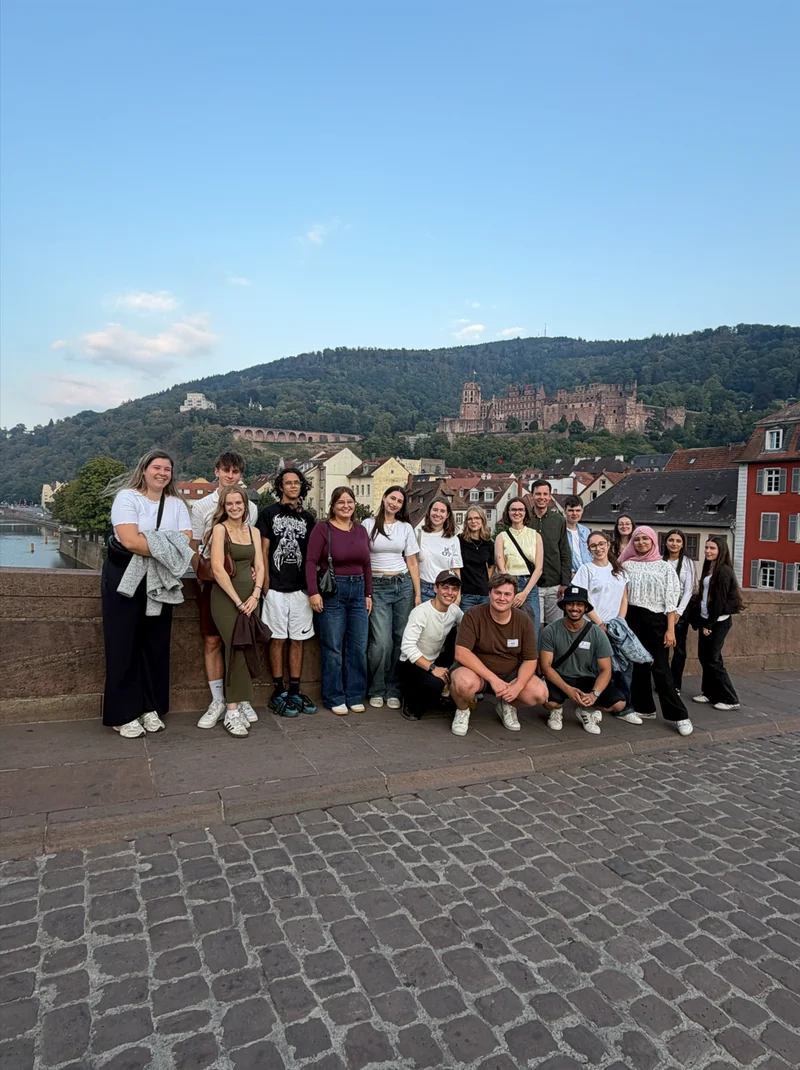
Social skills were expanded at a fun evening in Heidelberg's Altstadt Pipetting in the wet lab Data analysis Into the operating theater! Laparoscopy I Laparoscopy II Laparoscopy exercise Introduction to theory Cellular culture microscopy Students inside the clinic